
Protect Animals
Report Animal Cruelty
Help Us Protect Animals in Danger
Every report plays a role in protecting animals from harm. By speaking up, you help us respond to cases of abuse, neglect, and unsafe conditions, and ensure that animals receive the protection they deserve.
Basic Responsibilities
The Five Freedoms of Animal Welfare
Under Sabah Animal Welfare law, cruelty towards animals is punishable by fines and imprisonment. Failing to provide proper care or causing harm is considered a serious offence.

Freedom from hunger and thirst
by providing clean water & nutritious food

Freedom from discomfort
by providing a comfortable resting area

Freedom from pain, injury, or disease
by providing timely veterinary care

Freedom to express natural behaviour
by providing sufficient space, proper facilities and company of the animal’s own kind
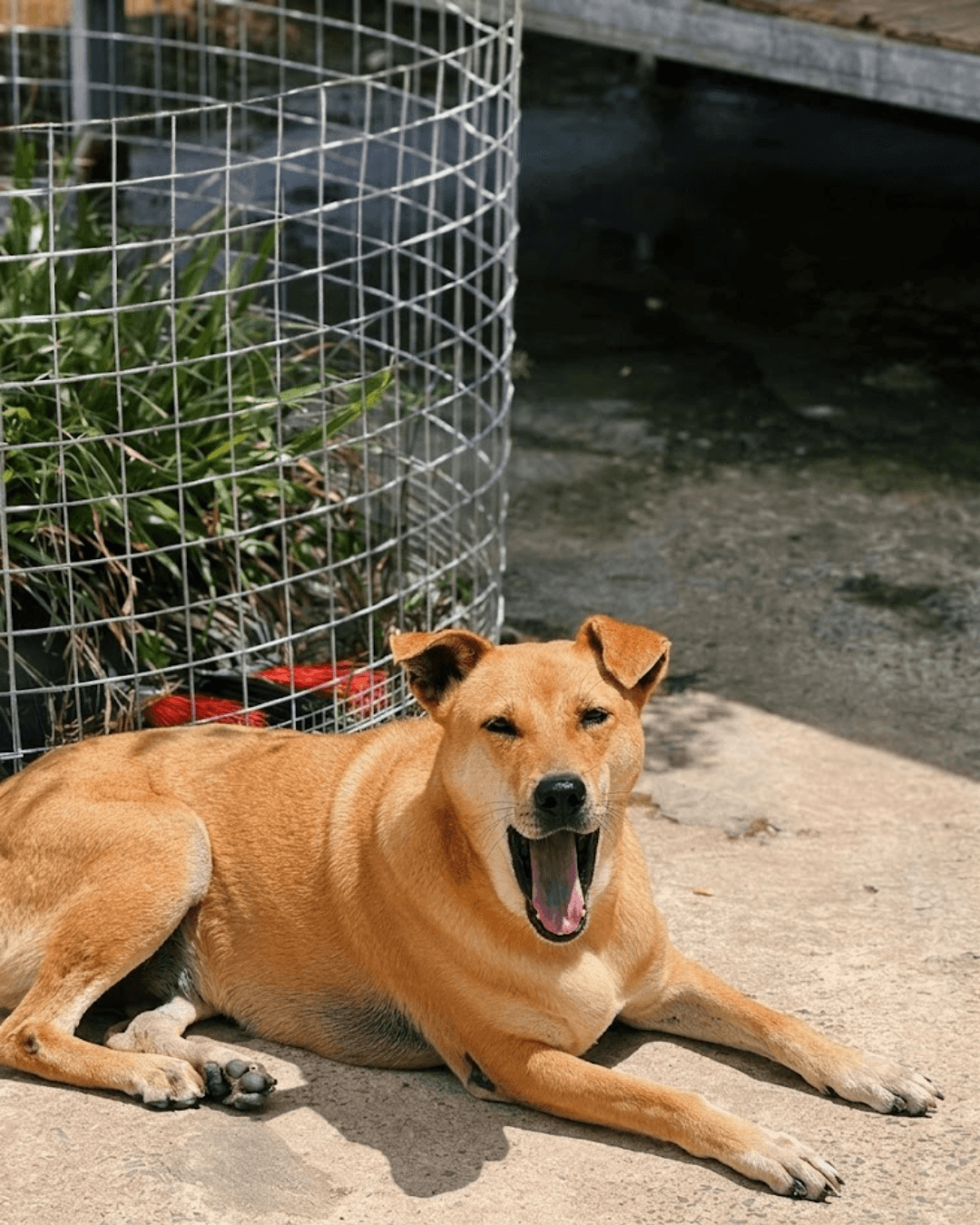
Freedom from fear and distress
by providing a comfortable living environment
Know the Signs
Recognising Animal Cruelty
Animal cruelty can take many forms, from neglect to intentional harm. Understanding the signs helps you identify when an animal may be in danger and needs immediate attention.
Lack of food and clean water
Animals are not given enough food or access to clean drinking water, leading to weakness, dehydration, or poor health.
No proper shelter from sun or rain
Animals are left exposed to harsh weather conditions without adequate shelter to protect them from heat, rain, or cold.
Signs of physical abuse or violence
Animals show visible injuries or are subjected to beating, kicking, or any form of intentional harm.
Unsafe or overly confined living conditions
Animals are kept in small, dirty, or hazardous spaces that restrict movement and affect their wellbeing.
Abandonment or neglect of animals
Animals are left alone without care, supervision, or basic needs, putting their survival at risk.
Take Action
How to Report a Case
If you witness animal cruelty, taking the right steps can help ensure proper action is taken. Providing accurate information and evidence allows authorities to investigate and protect animals in danger.
Step 1
Collect Evidence
Take photograph or video. The person who took the evidence is expected to be a witness in court. Therefore, please ensure name and contact are available and accurate.
Step 2
Record
Time, date, location of the incident, condition of the animal, and names and contacts of witnesses.
Step 3
Describe
The abuser such as looks, skin complexion, height and build, clothes, accessories, the license plate of the vehicle, etc.
With evidence and witness, make a report to DVS
Submit Your Report
According to Sabah Animal Welfare Enactment 2015, cruelty to animals is now an offence punishable by a maximum fine of RM100,000 or 3 years jail or both. With proper evidence and details, reports can be submitted to the appropriate authorities for investigation.
For emergency cases, you can also contact the relevant authorities for assistance:
Your Questions Answered
Frequently Asked Questions About Animal Cruelty
Find answers to common questions about reporting animal cruelty, what information to provide, and how to take action safely and effectively.
What should I do if I see an animal being abused?
If it is safe, collect evidence such as photos or videos and note important details like location and time. Then report the case to SPCA KK or the relevant authorities for action.
Can I report animal cruelty anonymously?
You may submit a report without revealing your identity, but providing your contact details can help authorities follow up and strengthen the investigation.
What information should I include in a report?
Include the location, time, condition of the animal, and any details about the situation or individuals involved. Clear information helps ensure faster and more effective action.
Who should I contact to report animal cruelty?
You can contact SPCA Kota Kinabalu, the Department of Veterinary Services, or your nearest police station depending on the situation.
Is it safe for me to intervene directly?
Your safety should always come first. Do not approach dangerous situations. Instead, gather information if safe and report the case to the appropriate authorities.